

Technology & Transformation
Investigating the systemic implications of emerging technologies — including artificial intelligence, distributed ledger systems, and quantum computing — for industrial competitiveness, workforce transformation, and responsible innovation governance.
Governing Emerging Technologies for Shared Prosperity
The Technology & Transformation Working Group convenes technologists, computer scientists, innovation economists, and strategic foresight experts to investigate the systemic implications of emerging technologies. Our work spans artificial intelligence, distributed ledger systems, quantum computing, and digital infrastructure — examining how these technologies reshape industrial competitiveness, workforce dynamics, and the boundaries of responsible innovation.
From the concentration risks in semiconductor supply chains to the coordination challenges of post-quantum cryptographic migration, the technology landscape presents governance challenges that transcend any single discipline or jurisdiction. This working group provides the technical depth and strategic perspective needed to understand these dynamics — producing research that bridges computer science, economics, and public policy.
Current Research Agenda
Our research programme investigates the systemic implications of emerging technologies for industrial competitiveness, security, and sustainable development.
AI Safety & Open-Source Governance
Analysing open-source foundation models as the digital age's most consequential public goods experiment — examining the free-rider problem in AI safety research and governance frameworks for shared AI infrastructure.
Quantum Computing & Cryptographic Transition
Modelling the post-quantum cryptographic transition as an institutional coordination game — quantifying the systemic risk of delayed migration and proposing governance mechanisms to accelerate the $400 trillion infrastructure transition.
Semiconductor Supply Chain Resilience
Applying Stackelberg game analysis to the extreme geographic concentration in advanced chipmaking — where the top 3 facilities produce 92% of sub-5nm chips — to map systemic fragility and evaluate policy interventions.
Climate Tech & Digital Sustainability
Investigating the paradox of digital decarbonisation — how AI data centres' surging energy demand threatens climate targets — and developing policy mechanisms to align digital transformation with sustainability goals.
Related Insights
Recent research and analysis from this working group.

Space Economy and Satellite Internet Governance
LEO mega-constellations have quadrupled active satellites since 2020. This report analyses orbital congestion, spectrum allocation, and connectivity equity through commons economics and game theory.

Quantum Computing and the Post-Quantum Cryptographic Transition
The post-quantum cryptographic transition is not primarily a technical challenge but an institutional coordination game — and the current equilibrium of delay is systemically dangerous.

AI Compute and the Stackelberg Structure of Semiconductor Supply Chains
Advanced semiconductor fabrication exhibits extreme geographic concentration — the top 3 facilities produce 92% of sub-5nm chips. We model this as a Stackelberg game to quantify systemic fragility.

Cybersecurity Collective Action and Critical Infrastructure Protection
With cybercrime costs reaching $10.5 trillion annually, cybersecurity exhibits classic public goods characteristics with free-rider problems that demand institutional solutions.

Supply Chain Resilience and Digital Twins
How digital twin technology and blockchain-based provenance systems can address the information asymmetries and coordination failures underlying supply chain fragility.

Open Source AI and the Innovation Commons
Public goods analysis of open-source foundation models, the free-rider problem in AI safety research, and governance frameworks for shared AI infrastructure.
Working Group Members
Technologists, computer scientists, and innovation experts contributing to this working group.

Aleksandr Alekseenko
Associate Professor
Vladivostok State University of Economics and Service
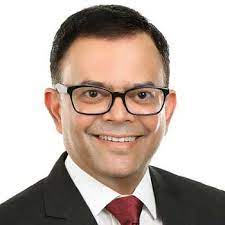
Atul Babu
Chief Executive Officer and Board Member
Infosys Compaz

Krish Chetty
Senior Research Manager
Human Sciences Research Council

Jerry Cristoforo
Chief Scientist
Hengtian Insigma Corporation

Andrew Grant
Associate Professor
University of Sydney Business School
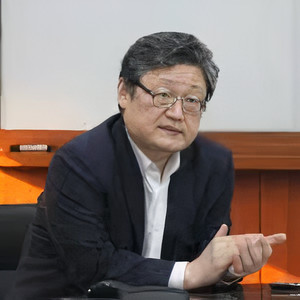
Sunseop Jung
Professor
Seoul National University
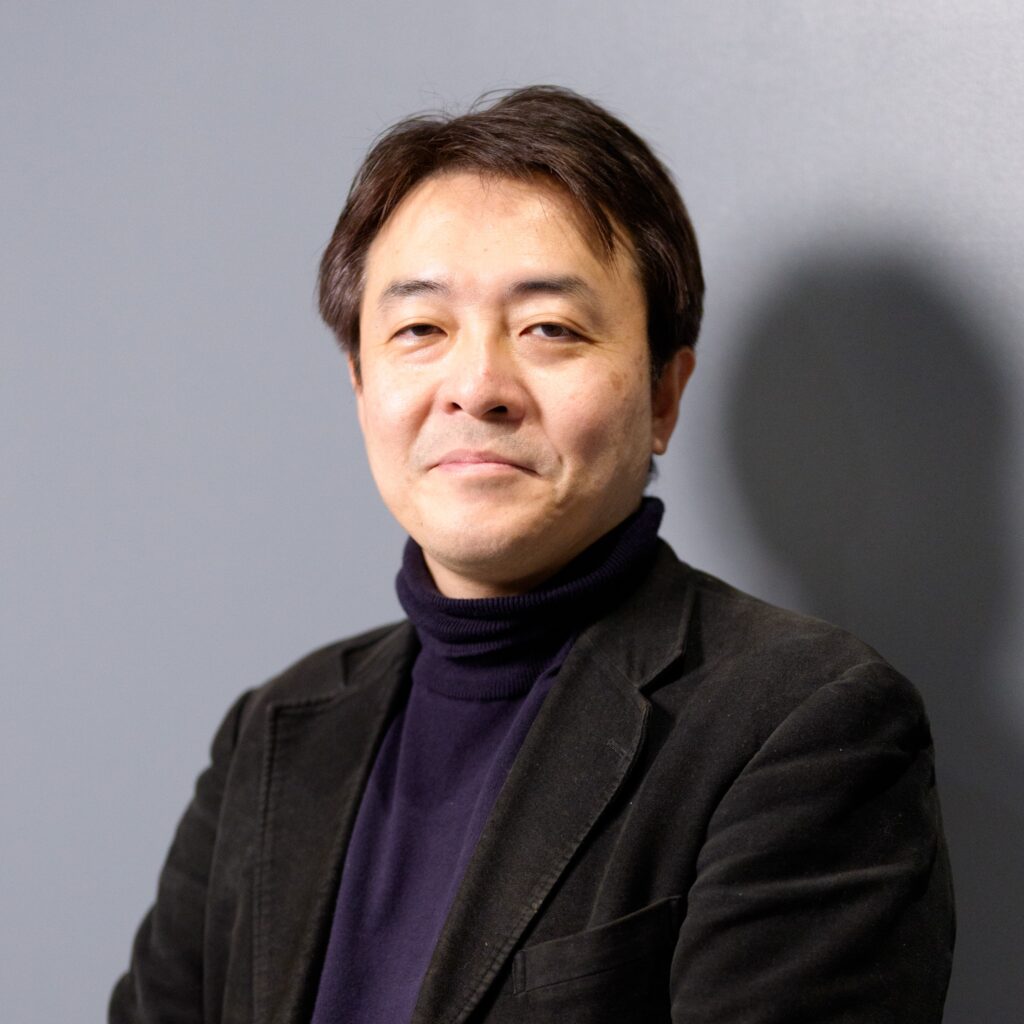
Jumpei Miwa
CEO
KLA Inc.

ChiSeng PUN
Associate Professor
Nanyang Technological University
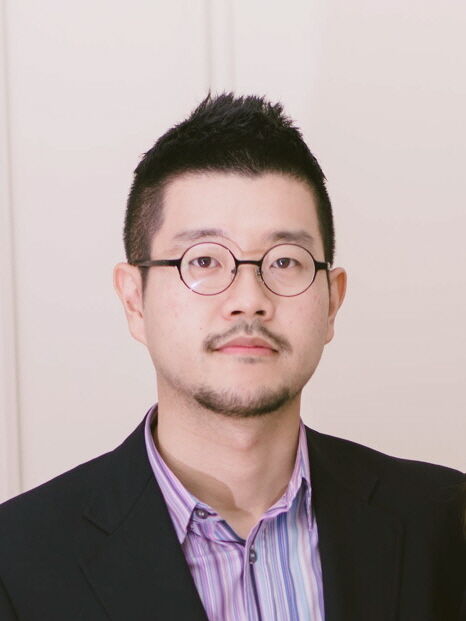
Sunghan Ryu
Associate Professor
Shanghai Jiao Tong University

Areiel Wolanow
Managing Director
Finserv Experts

Kotaro Yamabe
Attorney-at-law, Chief Legal Officer
Music Securities, Inc.

Valerio Lubello
Research Fellow
Bocconi University
Join This Working Group
We welcome applications from technologists, computer scientists, and innovation specialists with expertise in AI, quantum computing, blockchain, and digital infrastructure governance.
Apply to join