

Finance & Economy
Analysing the structural transformation of global financial systems through central bank digital currencies, decentralised finance, and inclusive economic models — with emphasis on monetary policy implications and financial stability.
Navigating the Digital Transformation of Global Finance
The Finance & Economy Working Group brings together economists, financial regulators, fintech innovators, and central banking experts to analyse the structural transformation of global financial systems. Our research examines how digital currencies, decentralised finance, and real-time payment systems are reshaping monetary policy, financial stability, and economic inclusion across both advanced and emerging economies.
With 134 countries exploring central bank digital currencies and digital payment systems processing trillions in annual transactions, the architecture choices being made today will define monetary systems for decades. This working group provides the analytical rigour and cross-disciplinary expertise needed to navigate this transformation — drawing on mechanism design, network economics, and empirical evidence from pioneering digital finance ecosystems worldwide.
Current Research Agenda
Our research programme examines the structural transformation of financial systems through digital innovation, with emphasis on monetary stability and inclusive growth.
Central Bank Digital Currencies
Mapping the global CBDC landscape as a multi-player coordination game with multiple equilibria — analysing interoperability standards, privacy architectures, and the strategic implications of early-mover design choices.
Digital Public Infrastructure & Financial Inclusion
Studying the economic multiplier effects of digital public infrastructure — from India's UPI to Brazil's Pix and Kenya's M-Pesa — to quantify how DPI investment drives financial inclusion and market efficiency.
Global Digital Taxation
Evaluating the OECD's Two-Pillar Solution through the lens of mechanism design theory, identifying incentive compatibility challenges and proposing institutional improvements for stable international tax cooperation.
Cross-Border Payment Systems
Analysing competing architectures for cross-border payment interoperability — mBridge, Project Nexus, and SWIFT Transaction Manager — as a coordination game with significant geopolitical stakes and $35 billion in potential annual savings.
Related Insights
Recent research and analysis from this working group.

Central Bank Digital Currencies and the Coordination Game of Monetary Systems
With 134 countries exploring CBDCs, the architecture choices made today will shape monetary systems for decades. This analysis applies coordination game theory to map the strategic landscape.

Sovereign Wealth Funds and Strategic Tech Investment
Sovereign wealth funds have shifted 22% of portfolios to strategic technology. This paper models sovereign investment competition as a Stackelberg game with implications for global tech markets.

Global Digital Tax Architecture: A Mechanism Design Analysis
The OECD's Two-Pillar Solution to digital taxation reveals fundamental mechanism design challenges. This analysis examines incentive compatibility and proposes institutional improvements.

Digital Public Infrastructure: The Economic Multiplier Effect Across Emerging Markets
Analysis of real-time payment systems (UPI, Pix, M-Pesa) reveals that digital public infrastructure acts as an economic multiplier far exceeding traditional infrastructure investment returns.

Cross-Border Payment Interoperability and Network Economics
mBridge, Project Nexus, and SWIFT Transaction Manager represent competing architectures for cross-border payment interoperability — a coordination game with geopolitical stakes.

Digital Identity Systems and Financial Inclusion
An estimated 850 million people lack official identification. This comparative analysis examines how digital ID systems in India, the EU, and Africa are transforming financial inclusion.
Working Group Members
Economists, financial regulators, and fintech experts driving this working group's research.

Nafis Alam
Professor and Head of School of Business
Monash University Malaysia

Douglas Arner
Kerry Holdings Professor in Law
University of Hong Kong
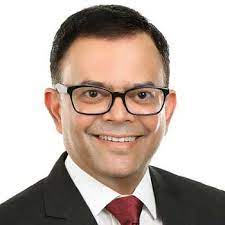
Atul Babu
Chief Executive Officer and Board Member
Infosys Compaz

Edward Buckingham
Professor
Monash Business School

Agostino Capponi
Professor
Columbia University

Jerry Cristoforo
Chief Scientist
Hengtian Insigma Corporation

Andrew Grant
Associate Professor
University of Sydney Business School
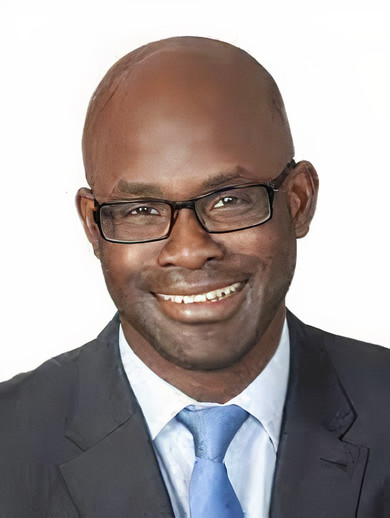
Gbenga Ibikunle
Professor and Chair of Finance
The University of Edinburgh
Jaya Josie
Visiting Professor
Zhejiang University

Jumpei Miwa
CEO
KLA Inc.

Paul Musoke
Managing Partner
Ankolo Consulting Ltd

Sunghan Ryu
Associate Professor
Shanghai Jiao Tong University

Paul Schulte
Professor of Practice
Zhejiang University

Lito Villanueva
Executive Vice President
RCBC

Areiel Wolanow
Managing Director
Finserv Experts

Stefan Zeisberger
Associate Professor of FinTech
University of Zurich

Valerio Lubello
Research Fellow
Bocconi University
Join This Working Group
We welcome applications from economists, financial regulators, and practitioners with expertise in digital finance, monetary policy, and financial inclusion.
Apply to join